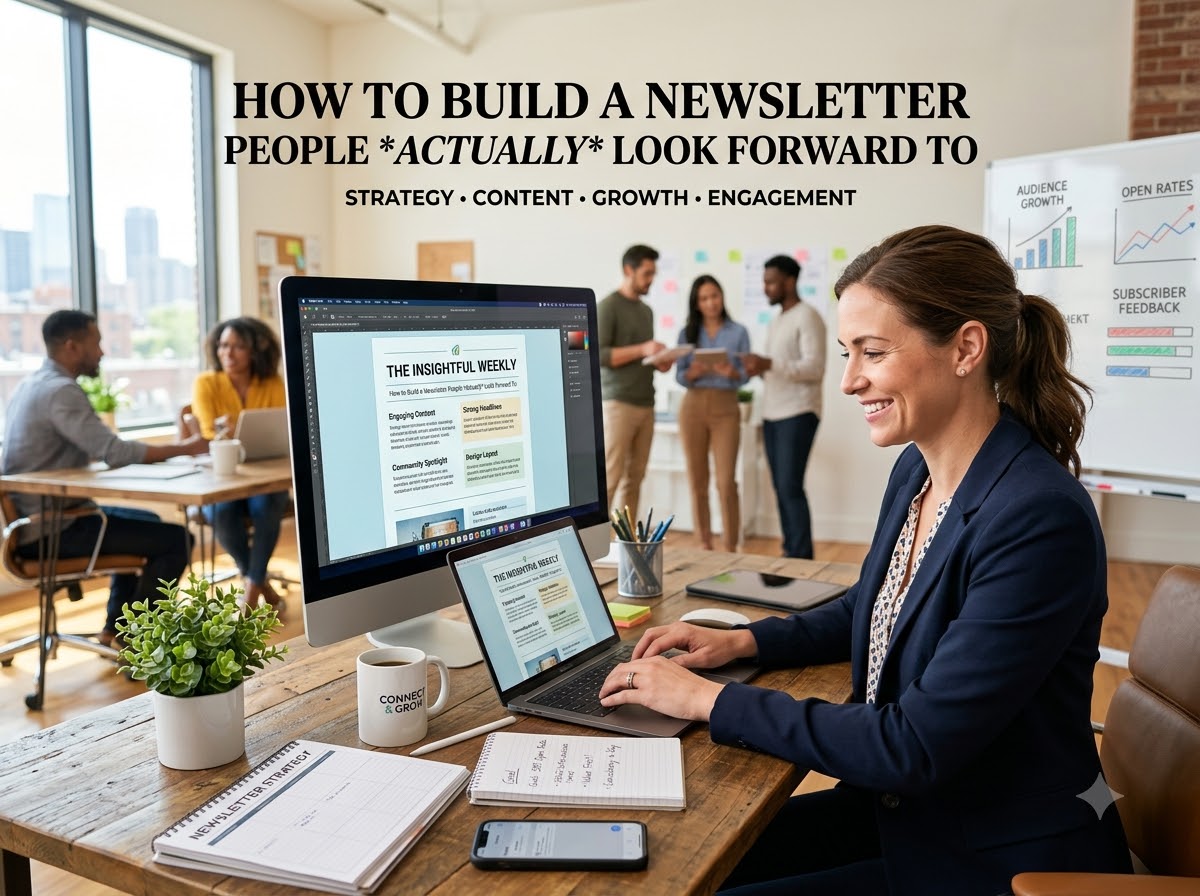
Why Most Newsletters Fail and How to Fix Them
Most newsletter campaigns get ignored because they focus on what the sender wants to say rather than on delivering value to the customer. This way, it seems like newsletter or email marketing is dead, but the truth is that most businesses fail to do it correctly. It does not fail but gets ignored because of poor strategies, poor content and a lack of measurable goals.
A newsletter that people actually read is built on a clear purpose, content valuable to readers and a good skimmable format. If you get these fundamentals right, you ultimately make newsletter marketing the most reliable way to connect with your audience.
What Is a Newsletter?
A newsletter is a type of email sent to subscribers on a daily, weekly, monthly or fixed-interval basis. Newsletters strengthen customer relationships by keeping them engaged and informed. For Indian businesses, this means more than promotion; it’s a way to build a personal connection with your audience.
Although every business's objectives differ, the main objectives may include attracting new subscribers, gathering clients’ opinions, boosting conversions and increasing open and click-through rates. Based on which of these objectives matters most to your business, you determine the purpose of your newsletter email. Whatever your goal, make it specific and measurable so you can track progress.
Reasons Most Newsletter Emails Don’t Get Read
- No Clear Value in Your Content: When a person subscribes for specific updates, information or news, but you start sharing other than what was expected, subscribers start losing interest. So, they start ignoring your newsletter emails.
- Random or Inconsistent Schedule: People do not like to receive irrelevant emails. Even relevant emails can annoy them if you send them too often, which can lead to unsubscribing.
- Only Promotional Content: Newsletter emails are different from pure promotional emails. However, it is not just for news, but it includes a diverse range of content, such as blogs, podcasts and product updates. If you are pitching sales in your newsletter email instead of adding useful information, data or updates, subscribers will leave.
- Poor Subject Lines and Timing: Your email subject line determines whether or not the recipient will open the email. If the subject line is unclear and doesn't properly address the reader’s problem or highlight the solution, it will be ignored. Similarly, emails also get ignored when you send them at the wrong time, when subscribers aren’t active.
- No Audience Segmentation: Your newsletter may get ignored if you send the same email to everyone. A new subscriber shouldn’t get the same email as your 2-year-old loyal customer.
How to Make A Newsletter Worth Reading
Well, newsletters don’t fail; they just get ignored. People stop opening and engaging with your newsletter emails when they no longer find them valuable. But you can make them worth reading by following the best practices.
Newsletter campaigns don’t happen by chance; they’re built with a careful plan. It’s not about fancy templates, but it is about making your content more relevant and actually worth clicking. Below are some of the best email newsletter tips and strategies that help you build a newsletter people actually look forward to.
Determine What Value You Are Offering
Before you do anything, start by asking yourself why this newsletter even exists. This is what helps you design the content, format and tone. A newsletter that includes too many links or merely the company’s updates will not boost engagement. You need to create something captivating yet informative and useful that entertains, inspires, teaches or solves a real problem.
It is important to align your purpose with readers’ expectations. So, before you start designing, think about who they are. Are they new subscribers, clients, prospects, industry peers or partners? What content they may look forward to, such as trends, insights, updates, expert opinions, tools or best tips they can use to solve their problems. This helps you determine the exact value you will provide to your audience.
Use a Simple Editorial Structure
Your email content should be structured so your readers know what to expect. Even though you keep the format the same, vary the content so readers don’t feel like they’re reading the same email every time. One of the most popular go-to structures to organise the content inside a newsletter is using:
- Opening Note: Before you start writing the main information, you should use a hook that catches readers’ attention and gives them a reason to continue reading. You can start with a question, a surprising statistic or a short personal or industry-related story.
- Main Content Section: After the introduction part or the opening hook, you include the main message that readers read. But don’t keep the entire content in one long block of text, as it makes the content boring. Divide the content into different sections. Each section should be like a mini-story or a learning point, which means every section should have a purpose. Ensure the content teaches readers something, tells them something useful or gives them an idea they can apply.
- Call-to-Action: Add one or two call-to-action buttons, considering your newsletter's purpose. However, there shouldn’t be multiple CTAs. Keep the button clear and visible. It should stand out from the rest of the content.
Don’t Just Share Information, Tell a Story
Most business owners in India think email newsletters are exclusively used to share news. The truth is, you can share blog posts, product updates and other information in newsletter emails. However, stop making it sound boring by describing everything in plain text. We recommend sharing the information in a story form because this appeals to human curiosity, emotion and pattern recognition.
Even business emails need a story arc that makes technical or routine updates feel engaging. Make sure your message tells a story in a way that includes:
- Beginning, which includes the challenge.
- Middle, which includes the insights or solutions.
- End, which provides a takeaway or invitation to act.
Newsletter emails often contain technical terms and jargon that lack the context needed to make them meaningful and engaging. Presenting the content as a story bridges that gap and makes it more relatable.
Write Subject Lines That Get More Clicks
The subject line of your email is one of the major factors that determines whether it will be opened. Therefore, it deserves as much thought as the email body. Treat your subject line as the headline. You can use some common formulas:
- Benefits with specific details
- Curiosity with relevance
- Timely insights
- Actionable promise
Using these formulas to create subject lines, you can tell readers what the email is about and why it's worth their time. Avoid using vague subject lines or anything only your team can understand, because if the reader doesn't understand its meaning, they will skip it. Your subject line should always be clear and compelling to boost open rates.
Maintain a Familiar Structure but Not Predictable
When you create your newsletter emails, they should follow a consistent format or tone. So your readers can recognise your newsletter and know what to expect, such as its tone, format, frequency or regular sections. However, the content inside the email should be fresh and interesting. Your subscribers shouldn’t feel like they are reading the same newsletter.
You should balance consistency with freshness. Meaning, when your newsletter always follows a set of formulas, such as an opening, a marketing tip, industry news and a CTA, that is consistency. But if the marketing tip and the news are different every week, that is freshness. So, having the same structure for your newsletter emails can let your readers know what to expect. But by bringing fresh news and interesting content, you make every edition feel distinct rather than unpredictable.
Use Images But With a Purpose
Images, infographics, charts and GIFs are the visual elements you can use in your emails to make them more engaging. But use them only when they add value. You shouldn’t add them just because they will make your email look attractive. Every visual should serve a purpose and help readers understand something, notice important details and stay engaged.
For example, instead of using the data and analytics in a complex paragraph, use an infographic. Similarly, a photo from an event adds authenticity. Instead of showing your growth in text, use a chart. These visuals make the information easier to understand at a glance.
Track, Learn and Improve
After everything you do, it’s time to analyse what’s working and what needs improvement. Since email newsletter marketing is an ongoing process, you must measure the results, learn what’s working and make improvements wherever needed. Apply the changes in your next campaign to get better results.
Do not rely on vanity metrics to improve your newsletter campaigns because these may look impressive on the surface but are not associated with real business growth or revenue. Track open rates, click-through rates, replies, unsubscribes and conversion rates. Check the data to understand what worked and what didn't. For example, check which subject lines or formats perform better than others. Are subscribers engaging more with emails that contain stories rather than those that contain curated lists? Analyse these aspects to refine your editorial approach over time.
Common Mistakes to Avoid in Your Newsletter
By following the above email newsletter marketing best practices, you can create a newsletter worth reading. However, even with these best practices in mind, marketers still miss the mark. Here are the most common mistakes to avoid so you can create a newsletter that your audience actually looks forward to.
Not Personalising Content Based on Different Segments
Imagine you are giving a business insight to a new subscriber who knows nothing about the industry. Do you think it will be beneficial for the reader?
Therefore, it is very important to segment your audience and send personalised newsletters. Your audience doesn’t share the same interests and isn’t at the same stage in their customer journey. So, sending a one-size-fits-all message can never do justice to the diverse needs of your subscribers. In fact, personalised content increases open rates.
For example, if someone has recently made a purchase, send them something useful and informative or a recommendation tailored to their interests. This is how you can elevate your newsletter emails from generic to engaging.
No Mobile Optimisation
Most companies overlook mobile optimisation despite knowing that half of emails are opened only on mobile devices. You will frustrate your subscribers if the newsletters don't display well on mobile phones. This may lead them to unsubscribe.
Too Much Self-Promotion
Many marketers use newsletters to talk about themselves, such as their achievements, awards and promotions. Although it’s important to let your subscribers know about your success, overdoing it will make them feel bored. Remember, they have subscribed to know something important, learn something new or receive content that solves their problems. Don’t make the newsletter all about your business. Make it useful for your readers.
No Clear Call-to-Action (CTA)
There should always be a clear, visible call-to-action button. Most people only share the news and updates in the newsletter and often forget to provide a clear action for users to take. Make sure to include a CTA in every email you send. It tells the readers what to do next, such as read more about the article, visit your website or make a purchase.
Forget to Check Your Email Before Sending
If you don’t check your email before sending, you cannot see what problems your subscribers may face. It is important to see how the email looks and works. So, instead of sending the email to your entire list right away, check by sending it to yourself and your colleague. See how the email appears on mobile and desktop.
If you avoid these mistakes and follow the best practices we discussed, you can build a newsletter that is worth reading. It will boost the open rate and make the newsletter more engaging because you are finally sending what people want.
Final Takeaway
A perfect newsletter is not about fancy templates; it is about making the content more relevant to your audience, respecting users’ time, delivering real value and being consistent. Stop trying to sell in every email and start helping your subscribers. If you do this, you can surely make your newsletter emails go from being ignored to being worth reading.
Ready to send campaigns that convert?
Try ASP OL Media free for 14 days — no credit card required.