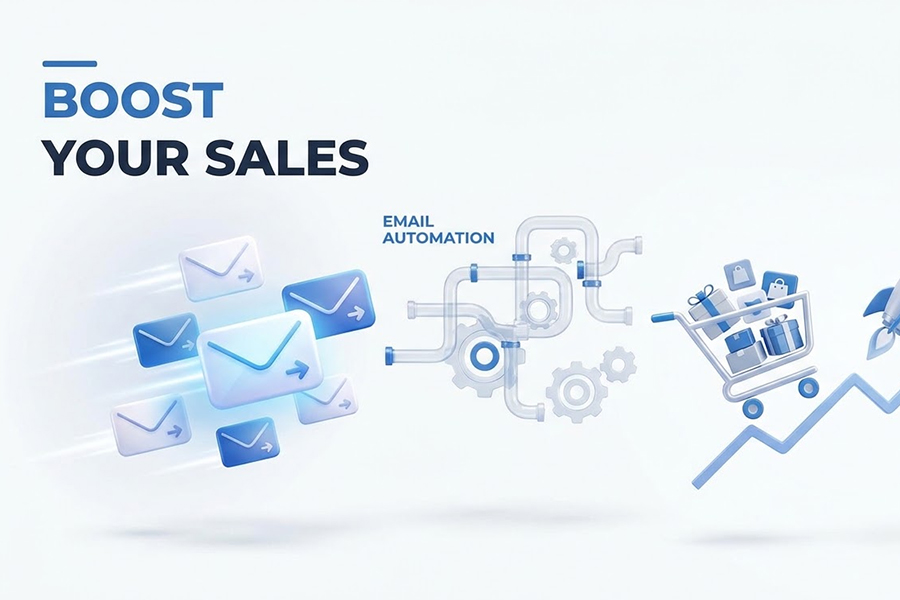
Boost sales and customer engagement with powerful e-commerce email marketing campaigns.
Stop leaving money in abandoned carts. From high-volume bulk promotional blasts to impeccably timed abandoned cart sequences, ASP OL Media drives predictable revenue for your online store through strategic, data-driven email marketing.
Automated cart recovery flows win back high-intent buyers.
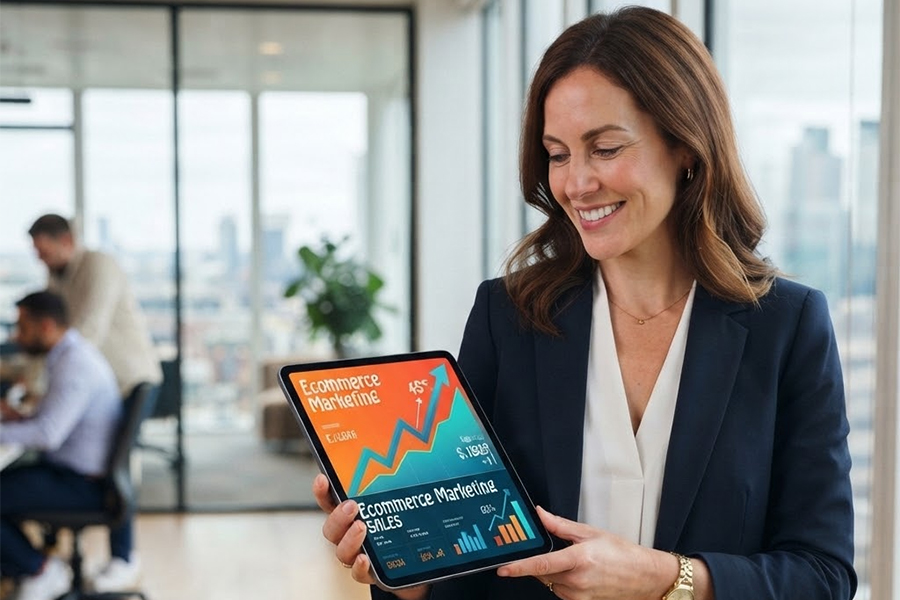
E-commerce email generates an average of $45 for every $1 spent.
Post-purchase nurturing turns one-time shoppers into brand loyalists.
When you launch a new collection or run a huge festive sale, you want your emails to reach hundreds of thousands of subscribers instantly. Delay equals lost revenue.
We provide high-speed SMTP relays and IP rotation for large list sizes, so you can get fast delivery without hitting spam traps.
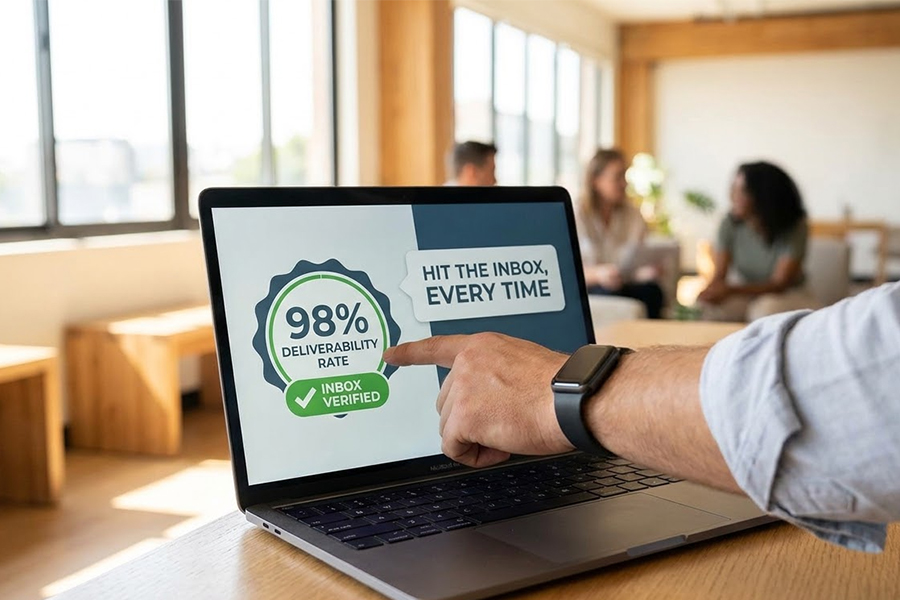
We handle SPF, DKIM, and DMARC authentication so that major inbox providers like Gmail, Yahoo, and Apple trust your mass promotional broadcasts.
We segment your large list by RFM (Recency, Frequency, and Monetary) to target your big spenders with VIP offers and your bargain hunters with deep discounts.
Bulk emails can drive revenue spikes, but automated lifecycle flows are the engine that grows your store’s baseline sales 24/7/365. We write, build, & optimise every sequence.
Convert new subscribers before they churn. We create multi-email sequences to share your brand story, send discount codes, and promote best sellers to get that all-important first purchase.
The most converting email in e-commerce. We use dynamic sequences that showcase exactly what was left behind, counter common objections, and introduce perfectly timed incentives to save the sale.
Capture the window shoppers. If a user views a product page several times but doesn’t add to cart, we send a gentle, helpful email with the viewed product and social proof to nudge them.
The buyer’s journey doesn’t end when they check out. We send other confirmations, care instructions, review requests, and very targeted product cross-sells based on the exact product they just bought.
Re-engaged customers who haven’t purchased in 90+ days. We craft compelling “We Miss You” offers to reactivate dormant buyers before they churn for good.
Do you sell consumables, such as skincare, supplements, or food? We calculate the average usage cycle and send out a timely reminder email at the exact time the customer is running low, ensuring repeat purchases.
We don’t send static flyers. Our e-commerce email templates link directly to your store's product catalogue and include dynamic, personalised content for each subscriber.
Emails automatically display images, titles, and live prices of items left in a cart or recently viewed.
To prevent coupon abuse on coupon-sharing websites, the integrated platform dynamically generates one-time discount codes.
We build recommendation engines that analyze past purchase behavior to recommend the items most likely to be purchased next.
We connect directly to your store’s catalogue to pull live and dynamic product data into every email. We also manage advanced ESPs like Klaviyo, Omnisend, and Mailchimp.
Shopify
WooCommerce
Magento
BigCommerce
E-commerce brands are battling in a noisy digital space, where acquisition costs are rising quarter by quarter, and social media algorithms are changing without warning. This is where email marketing stands out.
What makes email marketing different is that you own the audience, control the timing of the message, and can measure attribution down to individual clicks. Paid ads build awareness and social media builds community, but email turns browsers into buyers and one-time buyers into loyal customers.
The number tells the whole story: Email marketing delivers a steady $36-$45 ROI per dollar spent, far surpassing other digital channels. This extraordinary return comes from precise targeting, automation that works while you sleep, and the ability to reach customers at the exact time they are ready to buy. A customer abandons a cart at 11 PM, but your automated sequence can bring them back at 9 AM the next morning, all without any manual work on your part.
Successful e-commerce email campaigns operate across three distinct layers, each with a different revenue-generative function. Promotional campaigns such as seasonal offers, new product launches, and flash sales drive immediate sales. These high-volume broadcasts create revenue spikes during key selling periods, such as Black Friday, holiday weekends, or inventory clearance events. But the challenge is not just to write good copy. It’s also about sending it at scale without being flagged as spam or overwhelming inbox providers.
The second layer is transactional emails, such as order confirmations, shipping notices, and delivery updates. These emails get the highest open rates in your entire email program because customers are looking for them. Smart retailers build strategic upsells and cross-sells into these messages, transforming required communication into an opportunity for additional revenue. A shipping confirmation is an opportunity to offer complementary products, while a delivery notification could offer a first-purchase discount to gift recipients.
Lifestyle automation forms the foundation. These triggered sequences respond to specific customer behaviours and time intervals, creating a revenue engine that runs continuously without any manual effort. This includes a welcome series to convert new subscribers, win-back campaigns to re-engage dormant customers, and replenishment reminders to generate predictable recurring revenue for consumable products. Your baseline monthly revenue directly reflects how sophisticated your automation is.
Sending the same email to everyone misses opportunities and can hurt your deliverability. Today, successful e-commerce email marketing relies on precise segmentation, treating each customer differently based on their behaviour, value, and where they are in the customer journey. RFM analysis is a key tool for this, grouping subscribers based on three key metrics.
Recency shows who your most engaged customers are. For example, someone who bought something last week is much more likely to buy again than someone who last ordered six months ago.
Frequency helps you tell the difference between loyal repeat buyers and occasional shoppers. A customer who has made eight purchases in a year should get VIP treatment, early access, and special offers that a first-time buyer might not care about.
Monetary value helps you spot your big spenders versus bargain hunters so you can create offers that fit their spending habits.
In addition to RFM, behavioural segmentation looks at how customers interact with your emails. For instance, people who open emails often but rarely click need a different message than those who click a lot but don’t buy much. Product affinity segmentation groups customers by what types of products they like, so you can send them offers for items they care about instead of your whole catalogue. Geographic segmentation is also important for retailers who have different inventory, seasons, or promotions in different locations.
Data from browsing and cart abandonment can show you who is interested in buying, even if they haven’t finished a purchase. For example, if someone looks at running shoes five times in three days, they are clearly interested and should get a quick, targeted message. These small segments let you send messages that feel personal instead of generic.
E-commerce brands that send hundreds of thousands of emails each month deal with technical issues that smaller senders do not. Email services like Gmail, Yahoo, and Outlook use advanced filters to block spam, but sometimes even legitimate marketing emails get filtered out. To build and keep a good sender reputation, you need to focus on technical authentication, engagement metrics, and consistent sending habits.
SPF, DKIM, and DMARC are the basic technical tools you need. They prove your emails really come from your domain and not from someone pretending to be you, which helps inbox providers trust your messages. When you send a lot of emails, using a dedicated IP address is important because it lets you build your own reputation. If you use a shared IP, someone else’s bad habits could hurt your deliverability.
Keeping your email list clean is key to reaching the inbox. If subscribers have not interacted with your emails for months, it lowers your engagement rates and makes inbox providers think people do not want your messages. Running re-engagement campaigns helps you find inactive subscribers, and removing those who never open your emails protects your sender reputation. Even though it may seem odd to remove people, a smaller, active list will perform better than a large, inactive one.
Tracking how people interact with your emails affects your future deliverability. Inbox providers look at open rates, click rates, and complaint rates to decide if your emails should go to the inbox or the spam folder. When your emails get good engagement, your deliverability improves, which helps even more of your emails reach the inbox and keeps the cycle going.
E-commerce emails have a lot of jobs to do. They need to stand out in busy inboxes, clearly communicate offers, present products attractively, and encourage customers to visit your store. Most emails (60-70%) are opened on smartphones, so it is important to design with mobile in mind. Big buttons, short, clear text, and a single-column layout make emails easy to read on any device.
The subject line is what makes a person open your email or ignore it. Good subject lines create a sense of urgency in people without being aggressive. They sound like your brand, they provide real value, and they are not clickbait. Adding a personal touch to subject lines (beyond just a first name) can help boost open rates. For example, saying “Your cart is waiting” works better than “Don’t forget your cart” because it is more personal.
Your main email text should go beyond just describing your product. It should answer common questions, show what makes your product special, and help readers feel connected to your brand. Make sure you guide people to your call to action. You can create a sense of urgency or scarcity with real, limited-time offers, but only if they are honest. People will stop trusting your emails if you use fake urgency too often.
Great product photos are key to successful e-commerce emails. Good pictures against a simple background make your products pop. Lifestyle shots help customers imagine using them. Stay up to date on your product emails with dynamic product blocks that display live images and pricing from your store and save you time on updates.
Your call-to-action buttons should be eye-catching and contain clear, compelling copy. “Shop Now” works fine for general sales, but more specific buttons, such as “Compare My Purchase” or “Claim My Discount”, can get more clicks. Where you put your buttons also matters. Having one at the top instantly grabs attention, and one at the bottom can get people reading the whole email.
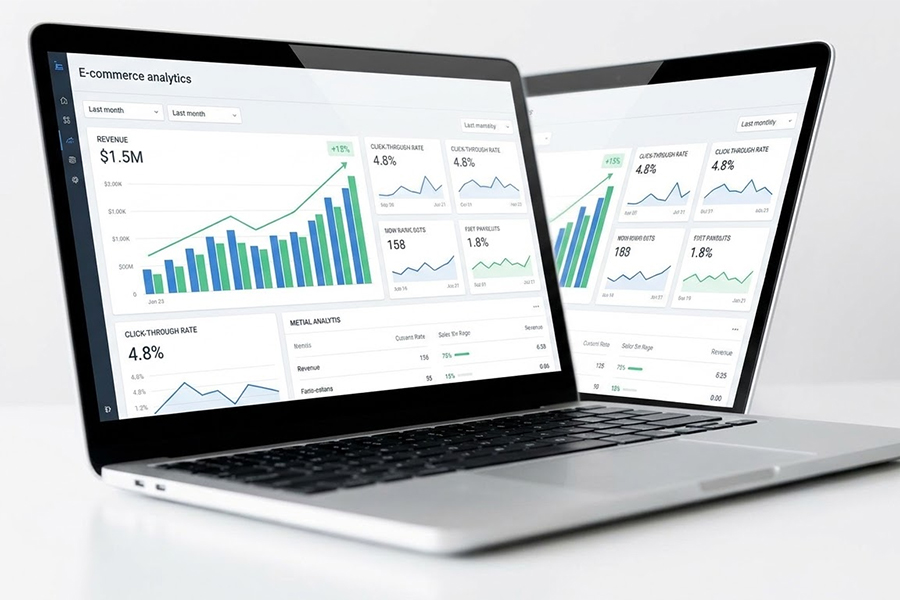
E-commerce email marketing generates a lot of data, but turning that data into actionable insights is what helps brands grow. Revenue attribution tells you which emails drive sales, while deeper analysis looks at the customer journey, extra revenue generated, and lifetime customer value.
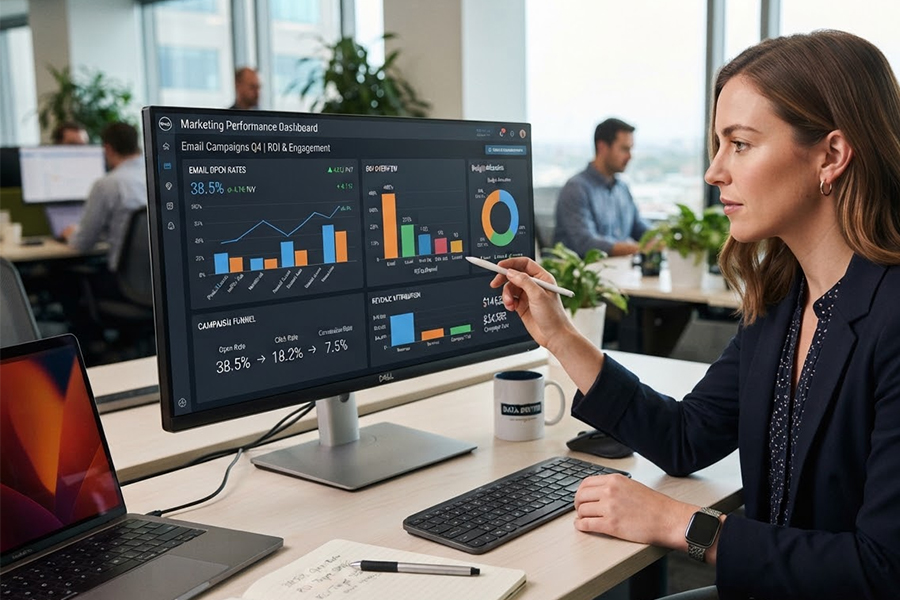
Campaign-level metrics provide quick feedback. Open rates tell you how well your subject lines work and how your sender reputation is performing. Click rates tell you whether your content and offers are engaging. Conversion rate tells you how well you convert visits into purchases. Revenue per email sent helps you see how profitable each campaign is compared to your list size and conversion value.
Automation performance tracking shows you what email sequences are working well and which ones need improvement. For instance, you might see a 15% conversion rate on abandoned cart emails, but only 3% on win-back campaigns. However, win-back emails reach customers who would otherwise not have purchased anything. Knowing what each type of sequence should look like prevents the mistake of drawing the wrong conclusions on conversion rate alone.
A/B testing allows you to improve every aspect of your emails. Testing subject lines will show you what words work best for your audience. Send time optimisation (experiment with different send times) helps you to find when your customers are most likely to open emails. Offer tests show if people prefer percentage discounts, dollar-off deals, or free shipping. Creative tests compare image-heavy emails to emails with more text.
Looking at long-term subscriber value links email engagement to customer lifetime value. Those who open and engage with your emails tend to buy more often and buy more per order than those who don’t open them much. This insight shows how investing in list growth and engagement strategies pays off, even if your conversion rate looks weak in the short term.
The tools you choose must integrate well with your store technology. They should offer the sophistication of automation your strategy requires. If done right, it will determine the success of your e-commerce email. Most basic email service providers can handle simple campaigns but often lack behavioural tracking, product recommendation engines, and advanced segmentation that drive meaningful revenue growth.
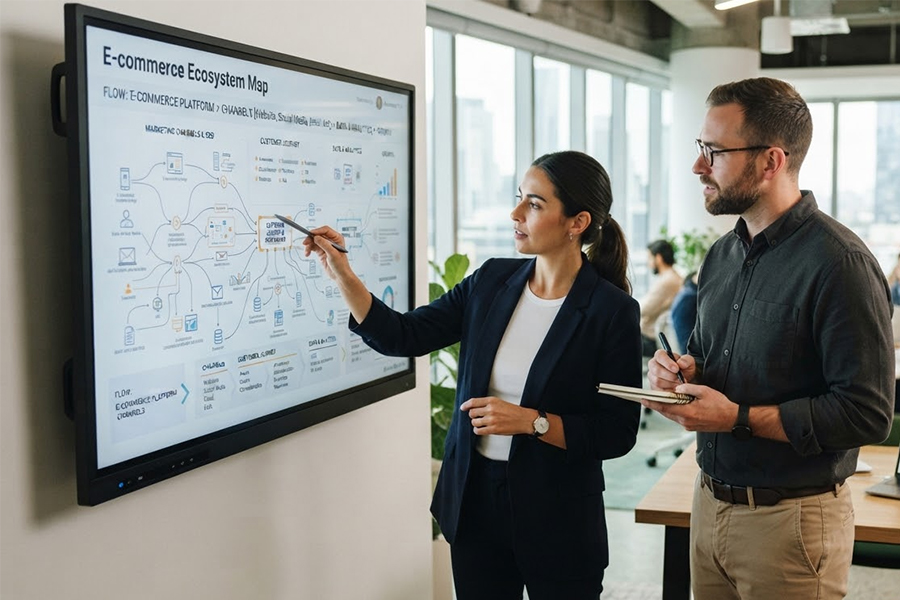
Modern e-commerce email platforms are directly integrated with the main online store system and synchronise customer data, order history, and the product catalogue in real time. This integration allows you to build automated sequences based on certain customer behaviours and can send emails with dynamic product content pulled directly from live inventory.
The platform becomes a single source of customer data, pulling in data from your store, email conversions, and website activity to build full customer profiles. These unified profiles power ever more sophisticated personalisation, from product recommendations driven by past purchasing behaviour to send-time optimisation based on individual engagement patterns.
Email marketing is changing fast. Privacy rules are tightening, inbox algorithms are changing, and customers want more. ASP OL Media helps your e-commerce brand stay ahead with strategies that work today and scale with your business.
We build email programs for the future. Our systems use secure delivery methods that work even if providers change their rules. As your list of customers grows, we use AI to personalise your emails and focus on first-party data so you don’t have to worry about tracking issues. We respond to changing customer behaviours with our automation, use the freshest data for our segmentation, and our deliverability practices ensure your emails reach inboxes before issues arise.