Built for High-Volume Sending

Bulk Email Marketing Services in Delhi

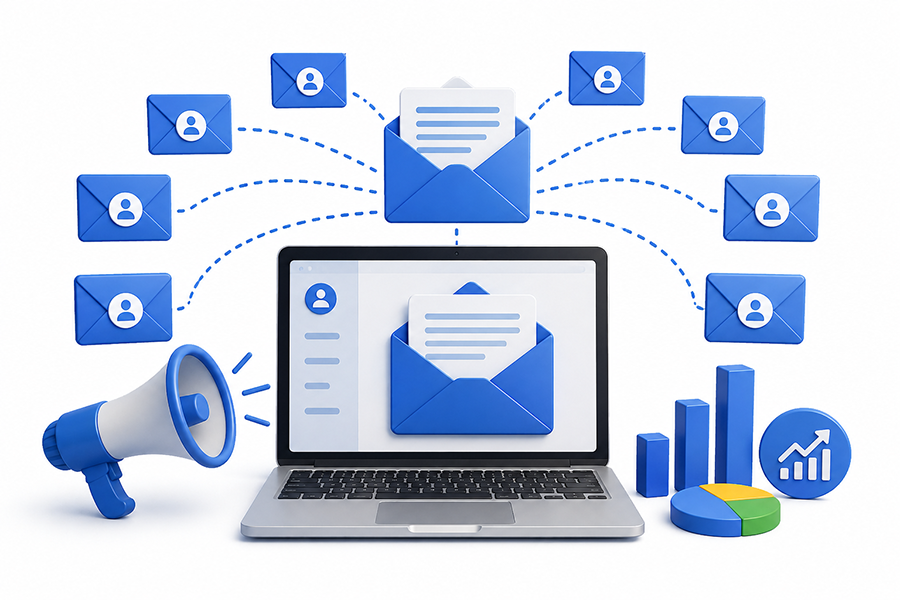
Reach your customers, prospects and business contacts with targeted bulk email campaigns built around your audience, campaign goals, deliverability and measurable results.

Email Campaigns That Drive Results in Delhi
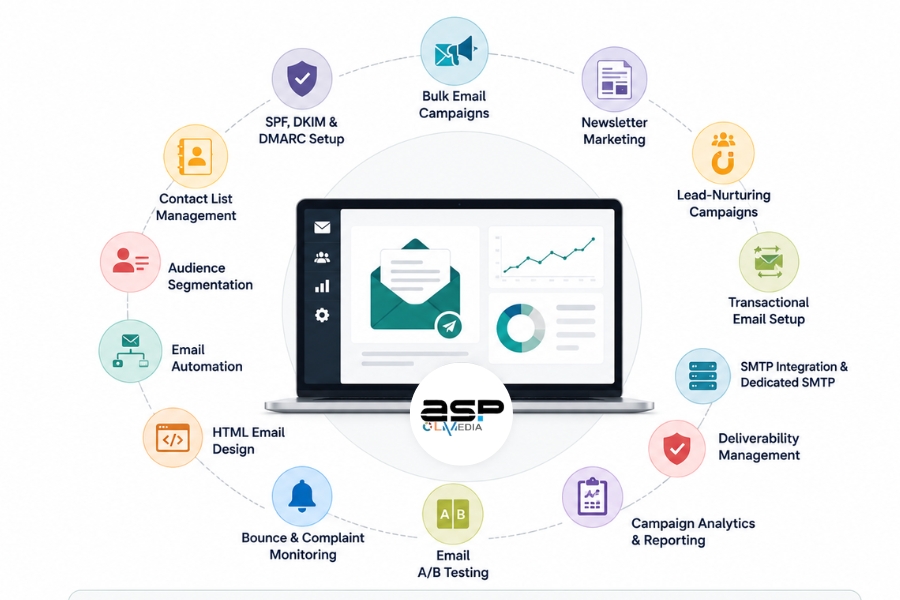
Email Marketing Campaigns Bulk Email Services SMTP Server with IP Rotation Email Automation Email Deliverability Management Analytics and Reporting Email List Management and Growth Email Design and Content Creation
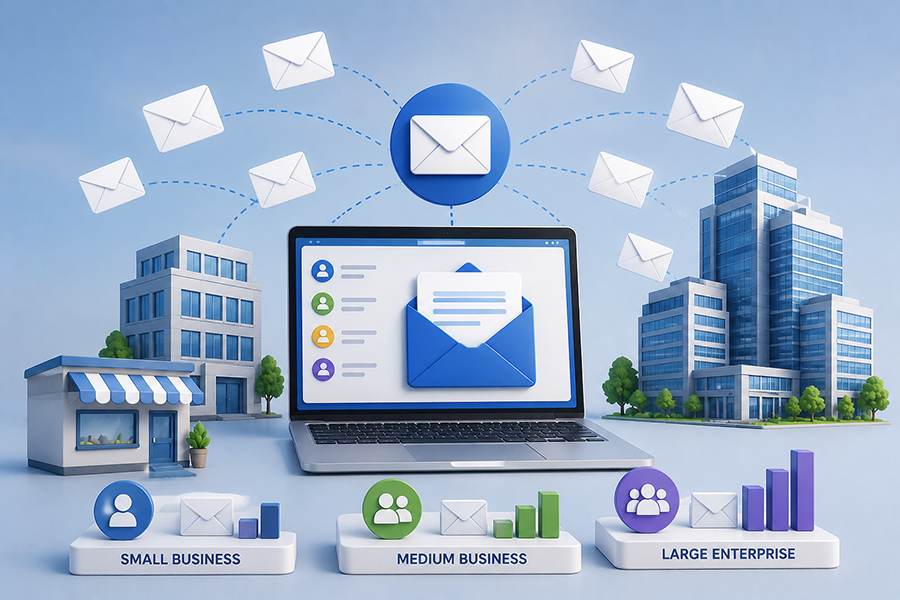
Bulk Email Services in Delhi for Businesses of Every Size

Email Marketing Should Fit Your Business

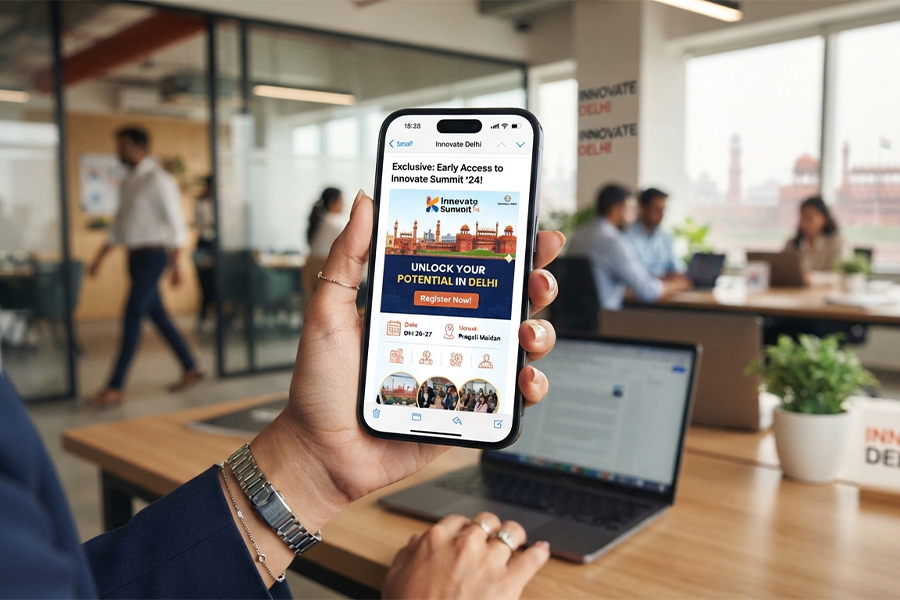
Delhi has no shortage of businesses competing for attention. A company operating from Connaught Place may be targeting corporate decision-makers. In Lajpat Nagar, a retailer may be reaching out to repeat buyers. A technology company in Nehru Place may be nurturing B2B enquiries. A real estate business in South Delhi may have leads that need several follow-ups before they are ready to speak with a sales team.

Their email requirements aren’t the same.

That is why bulk email marketing should not mean sending one message to a large database and waiting for something to happen. The better approach starts with the audience, the purpose of the campaign and what you want the recipient to do after reading the email.

At ASP OL Media, we help businesses plan, create and measure email campaigns at scale. Our email marketing services cover campaign management, email design and content creation, segmentation and personalisation, automation, list management, deliverability, analytics and related email infrastructure.

You might need to promote a new service. You may want to announce an offer to existing customers. Perhaps your sales team has a large database of prospects that needs structured follow-up. Or you may already be sending thousands of emails and have started facing bounce, spam or inbox placement problems.

The requirement changes from business to business. Our role is to build the email programme around that requirement.

Email also remains a measurable marketing channel. Litmus reports that email generates an average return of $36 for every $1 spent, although actual results vary considerably by business, industry, list quality and how the email programme is managed.

That last point matters. A strong return doesn’t come from volume alone. It comes from sending useful messages to the right people and measuring what happens next.

Bulk Email Campaigns Built Around Your Business Goal

Bulk Email Campaigns Built Around Your Business Goal

Different businesses in Delhi send bulk emails for different reasons. Even within the same company, one campaign may aim for immediate sales while another may focus on keeping prospects engaged.


Generate More Enquiries

A business can use targeted email campaigns to introduce a service, explain its value, share an offer or invite prospects to make an enquiry. For B2B companies, email can support a longer sales process where prospects need information before they are ready to speak with a salesperson.


Promote Products and Services

Promotional email campaigns can announce new products, seasonal offers, limited-time deals, service packages, events or other commercial opportunities. The objective is not simply to make the email look promotional. The offer, audience, timing and call to action all need to make sense together.


Nurture Prospects

Not every person who shows interest is ready to buy. Lead nurturing gives you a way to stay in touch while the prospect evaluates options. You can provide useful information, answer common questions, share relevant resources and gradually move the prospect towards a sales conversion.


Re-Engage Inactive Contacts

Some subscribers stop opening emails after a period of time. That doesn’t always mean they have no interest in your business. They may have changed priorities, missed previous messages or simply stopped paying attention. A carefully planned re-engagement campaign can test whether those contacts still want to hear from you. If they don't, removing persistently inactive contacts can also help keep your database healthier.


Keep Customers Connected

An email doesn't have to ask for a purchase every time. Newsletters, useful updates, product information, educational content, company announcements and customer communication can help maintain an ongoing relationship with your audience. That becomes particularly useful for businesses with repeat customers or longer customer lifecycles.

What Our Bulk Email Marketing Services in Delhi Include

Bulk email marketing involves more than just the sending system. The campaign needs good planning, relevant content, a healthy database, appropriate targeting, reliable infrastructure and a way to measure the outcome.

Industries We Serve

Bulk Email Marketing for Different Industries in Delhi

Delhi's business environment includes retailers, professional firms, technology companies, manufacturers, healthcare providers, educational organisations, real estate businesses, hospitality brands and many other types of organisations. 

Their email programmes naturally look different. ASP OL Media already maintains industry-specific email marketing offerings for sectors including e-commerce, healthcare, small businesses, restaurants, real estate, hotels, manufacturing, education, home improvement and IT and SaaS.

E-Commerce and Retail

Online and offline retailers can use email for product launches, promotions, seasonal sales, customer retention, post-purchase communication and abandoned-cart workflows. The audience's previous behaviour can also help determine which products or messages are most relevant.

Real Estate

Real estate sales often involve longer consideration periods. A prospect may enquire about a project without making an immediate decision. Email can support that process with project information, updates, site visit communication, price-related announcements and structured lead follow-ups. ASP OL Media's real estate email offering specifically focuses on lead nurturing and communication across longer sales cycles.

Education and Training

Schools, colleges, coaching institutes, training companies and EdTech businesses can use email for admission enquiries, course launches, webinar invitations, reminders, updates and learner communication. The timing matters here. An admission-related campaign sent months after the decision window may have little value. The campaign calendar needs to follow the actual enrolment cycle.

IT and SaaS

Technology businesses often have several stages between the first enquiry and a paying customer. Email can support lead nurturing, demo follow-ups, product communication, onboarding, engagement and retention. ASP OL Media's IT and SaaS offering is built around these different stages of the customer journey.

Healthcare

Healthcare businesses need to be more careful about privacy, data handling and the type of information communicated through marketing emails. Depending on the business model and applicable requirements, email can support service communication, educational content, appointment-related communication, newsletters and other approved customer interactions.

Travel and Hospitality

Hotels, travel companies, tour operators and related businesses can use email to promote packages, seasonal offers, special rates, destination content and customer communication. A person who has already shown interest in a destination can be approached differently from a subscriber who has never interacted with a travel offer.

Manufacturing and B2B

Manufacturers and other B2B businesses may deal with distributors, dealers, procurement teams, existing customers and potential buyers. Email can support product communication, enquiries, lead nurturing, new product announcements, business updates and ongoing customer relationships.
How We Manage a Bulk Email Campaign

How We Manage a Bulk Email Campaign

A successful campaign usually starts well before the first email is sent.

1. Understanding the Campaign

We first look at what you want the campaign to achieve. That could be sales, enquiries, registrations, engagement, customer retention or another measurable objective.

2. Review the Audience

We consider who should receive the email and whether the available list is appropriate for the campaign. Sending the same message to everyone can waste both the database and the opportunity.

3. Segment Where It Makes Sense

Relevant segmentation can divide contacts based on factors such as customer status, interests, previous activity, location, purchase behaviour or engagement. The exact approach depends on the data you have and the campaign you are planning.

4. Create the Email

We work on the subject line, copy, layout, visual elements, links and call to action. The email should make its purpose clear without forcing the recipient through unnecessary information.

5. Test Before Sending

Links, formatting, personalisation fields, rendering and other campaign elements should be checked before deployment. A small error can affect an entire send when you're dealing with a large database.

6. Send and Monitor

Once the campaign is ready, we monitor the response and delivery activity. We look at the signals that matter for the particular campaign, including bounces, complaints, engagement, clicks and conversions where tracking is available.

7. Learn From the Results

The next campaign should not start from scratch. If one subject line gets stronger engagement, a certain segment responds better, or a landing page drives more conversions, that information should guide your next steps. That’s where email marketing becomes a continuing system rather than a series of unrelated email blasts.

Bulk Email Deliverability Needs Technical Attention

Bulk Email Deliverability Needs Technical Attention

A campaign can have excellent copy and still perform poorly if it isn’t reaching recipients properly. There is an important difference between delivery and deliverability. Delivery means the receiving server accepted the message. Deliverability concerns whether the message reaches the intended inbox rather than being filtered, rejected or placed in spam.

This has become even more important for high-volume senders.

Google's current sender guidelines state that senders sending more than 5,000 messages a day to personal Gmail accounts must use SPF and DKIM authentication, publish a DMARC record, maintain spam rates below 0.3% and support one-click unsubscribe for applicable marketing messages. Google also requires valid DNS configuration and TLS for these senders.

That gives businesses a practical reason to take email infrastructure seriously.

At ASP OL Media, deliverability management includes areas such as authentication, sender reputation, list hygiene, bounce management and email infrastructure.

For larger sending requirements, we also offer dedicated SMTP infrastructure and SMTP IP rotation services. These should be planned according to the sender’s volume, reputation, traffic patterns and email type rather than treated as a shortcut around mailbox-provider rules.

The goal is straightforward. Your campaign should have a reasonable technical foundation before you scale the sending volume.

Your Email List Matters More Than Its Size

Your Email List Matters More Than Its Size

It is easy to become obsessed with database size. A list of 200,000 contacts sounds better than a list of 40,000. But if most of those 200,000 people are inactive, invalid, irrelevant or never asked to receive your emails, the larger number can create more problems than value.

Good list management starts with how contacts enter your database. It also involves removing invalid addresses, managing unsubscribes, watching engagement and avoiding practices that can generate complaints.

Permission matters too. Google recommends that senders only send to people who have subscribed and make it easy for recipients to unsubscribe.

For businesses in Delhi, this becomes especially relevant when a database has been collected over several years through different sources, offline enquiries, website forms, events, sales teams or older marketing systems.

Before sending a large campaign to such a list, it makes sense to understand what is actually in it.

Segmentation Makes Bulk Email More Relevant

Segmentation Makes Bulk Email More Relevant

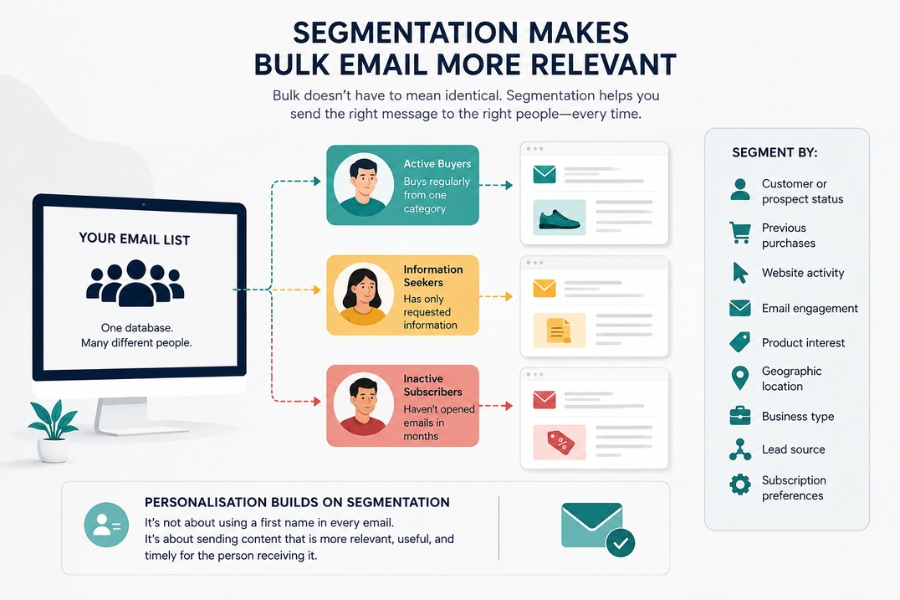
Bulk doesn’t have to mean identical. Imagine a Delhi-based business with customers across several product categories. One customer regularly buys from one category. Another has only requested information. A third hasn't opened an email in months.

Sending exactly the same message to all three groups ignores useful information you already have. Segmentation allows you to create smaller audiences within a larger database. You might segment by:

  • Customer or prospect status
  • Previous purchases
  • Website activity
  • Email engagement
  • Product interest
  • Geographic location
  • Business type
  • Lead source
  • Subscription preferences

Personalisation can then build on those segments.

The objective isn't to insert a first name into every subject line. It is to make the content more appropriate for the person receiving it.

Measuring Campaign Performance and Learning From the Results

Measuring Campaign Performance and Learning From the Results

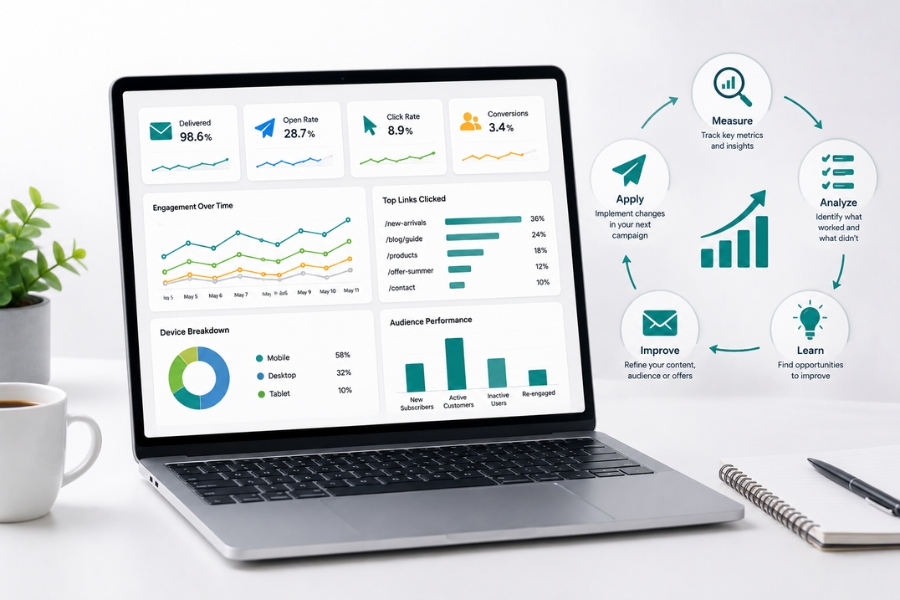
Sending the campaign is only half the job. The next question is what the recipients did with it.

You can look at delivery results, bounces, clicks, unsubscribes, complaints and other engagement signals. If the campaign connects with your sales or e-commerce system, you may also be able to measure enquiries, purchases or other business outcomes.

This gives you something concrete to work with. Perhaps one audience segment clicked far more often than another. Maybe a particular offer generated traffic but very few enquiries. Perhaps a campaign produced an unusual number of unsubscribes.

Those results can influence the next campaign. Open rates can provide some directional information, but they shouldn't be treated as a complete measure of deliverability. Google itself cautions against using open rates as the sole indicator of whether messages are reaching the inbox. The better approach is to look at several signals together.

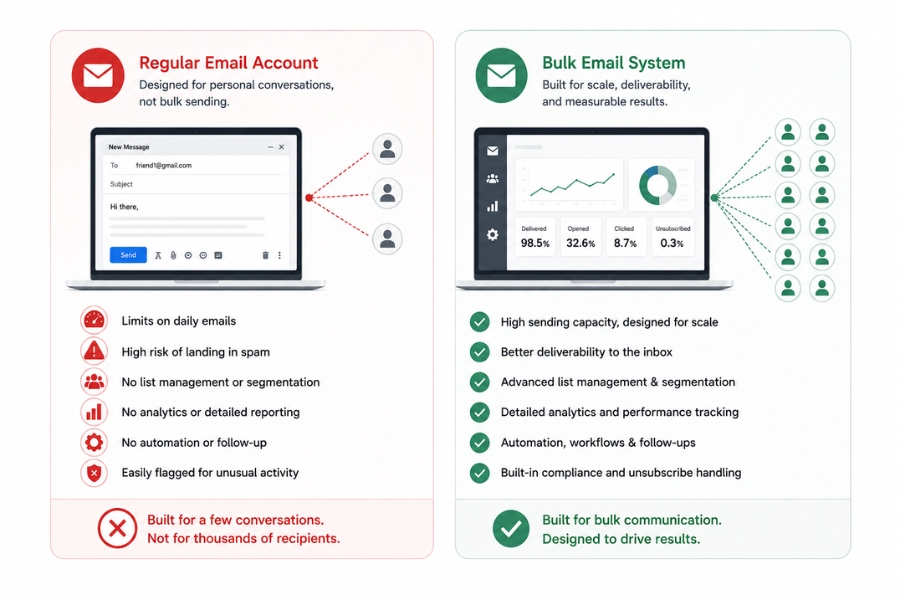
Infographics showing why a regular email account is not a bulk email system

Why a Regular Email Account Isn't a Bulk Email System

Regular mailboxes work well for normal business communication. They aren't designed to become the infrastructure behind a large marketing database.

Google has specific sending limits for Gmail accounts and additional requirements for high-volume senders. Its guidance also recommends consistent sending behaviour and avoiding sudden increases in volume.

That distinction becomes important when a business grows. If you're sending a few individual messages to customers, your normal mailbox may be enough. If you're managing tens of thousands of subscribers and running regular campaigns, you need a more structured system.

That system should give you control over authentication, contacts, campaigns, sending and reporting.

What ASP OL Media Brings to Your Email Setup

What ASP OL Media Brings to Your Email Setup

Our role can cover as much or as little of the email operation as your business requires. Depending on your needs, we can help with:

  • Bulk email campaign management
  • Promotional email campaigns
  • Newsletter marketing
  • Lead-nurturing campaigns
  • Transactional email setup
  • SMTP integration
  • Dedicated SMTP infrastructure
  • SPF, DKIM and DMARC configuration
  • Email deliverability management
  • Contact list management
  • Audience segmentation
  • Email personalisation
  • Email automation
  • HTML email design
  • Bounce and complaint monitoring
  • Campaign analytics and reporting
  • Email A/B testing

The right combination depends on your database, sending volume, technology stack and campaign objectives.

A business sending a monthly newsletter doesn't need the same setup as an e-commerce company running automated campaigns every day. We start with that distinction.

Build a Better System for Large-Scale Email

Build a Better System for Large-Scale Email

Bulk email works best when the technology and the campaign strategy support each other. You need infrastructure that can handle the volume. You need a clean database. You need authentication in place. You need relevant campaigns. And you need reporting that tells you what happened.

ASP OL Media helps businesses in Delhi put those pieces together. Whether you need promotional campaigns, newsletters, lead nurturing, transactional email, SMTP integration, automation or deliverability support, we can help you build a setup around the way your business actually communicates. 

You don't need to start with a complicated system. Start with your audience, your sending volume and your goals. Then build from there.

Talk to ASP OL Media about your bulk email requirements in Delhi.

Start Today

Ready to Supercharge
Your Email Marketing?

Join 10,000+ Indian businesses using ASP OL Media to reach more customers, drive more sales, and grow faster.

14-day free trial . No credit card . Cancel anytime