Email Marketing Campaigns

Email Marketing Campaigns That People Want to Open

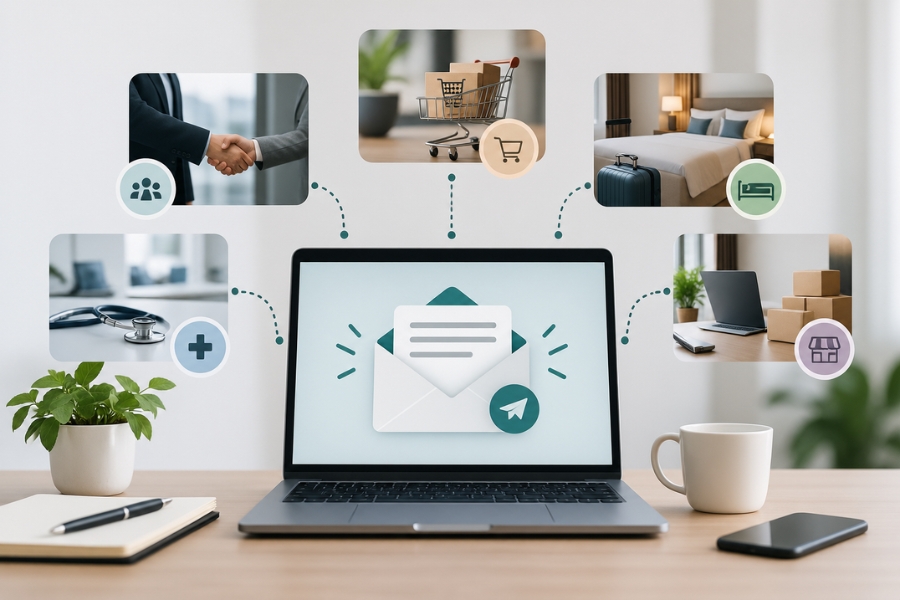
Good email campaigns do more than land in the inbox. They capture attention, earn trust, and encourage people to take the next step.

Email Marketing Campaigns That People Want to Open
Email Marketing Campaigns Bulk Email Services SMTP Server with IP Rotation Email Automation Email Deliverability Management Analytics and Reporting Email List Management and Growth Email Design and Content Creation

Email Marketing Campaigns

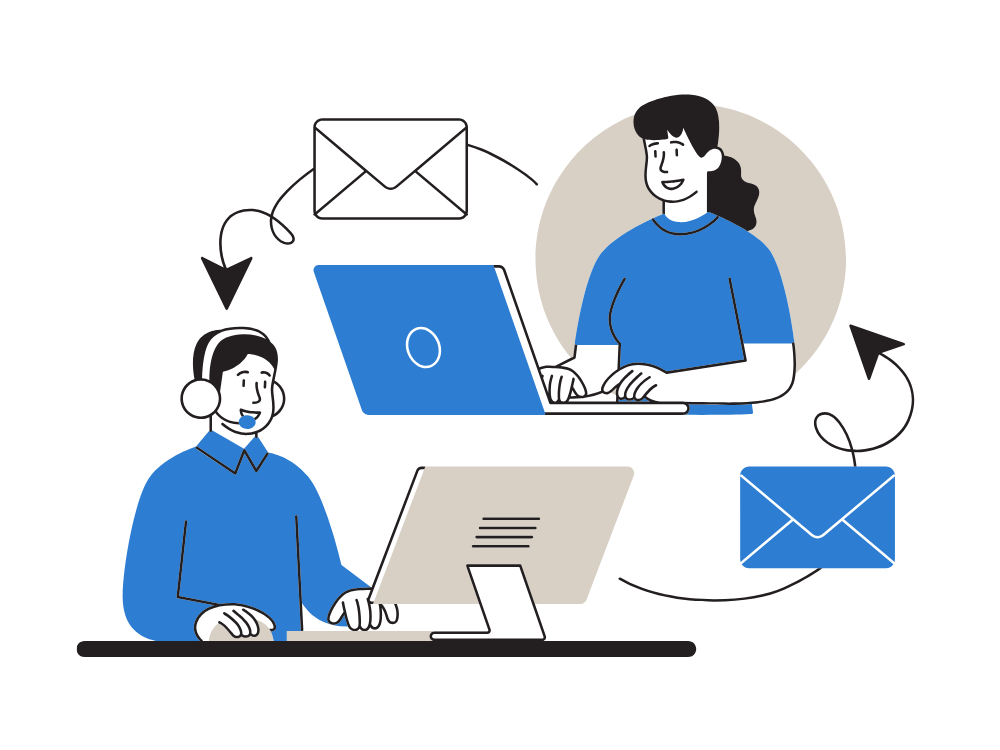
Email campaigns do much more than land in someone’s inbox. They keep your business in front of the right people, encourage repeat engagement, and give subscribers a reason to come back, whether that’s to make a purchase, register for an event, or learn something new.

At ASP OL Media, we build email marketing campaigns with a clear purpose behind every send. We focus on reaching the right audience, testing what works, and improving as we go. We create every campaign with a clear strategy and intention; we do not send out randomly. Plus, we keep refining the campaign based on what works.

Why Email Marketing Still Outperforms Everything Else

What Is an Email Marketing Campaign?

You’ve probably received an email announcing a sale, confirming an order, inviting you to a webinar, or reminding you about items left in your shopping cart. Those are all examples of email marketing campaigns.

An email marketing campaign is a series of emails sent for a particular purpose. The goal could be to encourage sales, welcome new subscribers, promote an event, or keep customers engaged with your brand. A single email can work, but most campaigns work best when each message builds on the last and gets the reader one step closer to taking action.

One of the best aspects of email marketing is that it gives you a direct line of communication with your audience. Emails are delivered to a place where people choose to go, while social media content battles for attention in a saturated feed. If the message is relevant and timely, it feels helpful, not promotional.

What goes into a good email campaign?

A few things separate a campaign that works from one that gets ignored.

  • Subject line: This is the first thing people see, so it has to earn the open. If your subject lines are boring or vague, readers will skip without a second thought.
  • Readability: Nobody wants to read a wall of text. Short paragraphs, clear language, and a single focused message go a long way.
  • Relevance: Sending the same email to everyone rarely works well. The more the content matches what a specific reader actually cares about, the better the response.
  • Mobile-friendliness: Most people check emails on their phones. If your email looks broken on a small screen, you have already lost.
  • A clear reason to act: Every email should leave the reader knowing exactly what to do next and why it matters to them.

Just remember, email marketing doesn’t give you a free pass to spam people’s inboxes. Your emails should always offer something really useful—a tip, a deal, an insight. When your emails are worth opening, people keep opening them. When they don’t, they unsubscribe, or worse, mark you as spam.

At its core, a good email marketing campaign is less about selling and more about building trust, one email at a time.

Types of Email Campaigns We Create

Types of Email Campaigns We Create

Like any strategy, there are different ways to approach email campaigns. The type you use usually depends on where your audience is in your sales funnel. At ASP OL Media, we build campaigns tailored to what you need to accomplish. Below are some of the email campaign types we use for our clients, based on their business objectives.

When you launch a new product, it is important to build excitement, inform your audience, and drive sales on launch day. Our product launch campaigns help you achieve that goal. We create multi-email sequences that highlight features, explain the benefits, and create urgency.

Before the launch, we send emails that feature sneak peeks, behind-the-scenes looks, and early access offers. This gets your audience interested and ready to buy as soon as your product is available.

On launch day, our emails are designed to help you make sales. We clearly explain everything for that, like what the product is, who it is for, and why now is the best time to buy. Plus, we include special offers, early-bird bonuses, or limited availability to encourage quick decisions.

We keep the momentum going after the launch. We send emails with customer testimonials, real-life experience examples and FAQs. These messages help to ease concerns and motivate anyone who is on the fence about buying.

Promotional campaigns are intended to increase sales in particular timeframes, such as holidays, flash sales, clearance sales or seasonal offers. These campaigns create urgency, encouraging subscribers to act right away.

We make sure our promotional campaigns put the offer front and center. The discount is easy to spot, not hidden deep in the message. This way, subscribers see the value right away.

We use countdown timers, limited stock alerts, and clear expiration dates to create urgency. Most people wait unless they have a reason to act, so we include these elements in every email campaign.

Follow-up emails help to remind subscribers who didn’t respond the first time. Sometimes a second or third message is all it takes to convince people who just needed a little more time.

Announcement campaigns serve as a way to remind your audience of news, updates or changes. They can be used to add new features, achievements or guidelines, or to register for an event. These emails are meant to keep subscribers informed and engaged between promotions.

We start the announcement email campaigns with the most important information. Since subscribers often skim, we make the main message clear right away.

A clear visual hierarchy helps readers move through the email. We use clear headlines, subheadings, bold text, and white space to make announcements easier to scan and understand.

Clear calls to action guide subscribers to their next step, whether that’s reading a blog post, signing up for an event, or checking out a new feature. You should have a purpose for every announcement email other than sharing news.

Lead nurturing campaigns are intended to build relationships with prospects without pushing for a sale. For example, you could send how-to guides, industry insights or tips/case studies. These emails build trust, demonstrate your brand’s expertise, and nurture leads over time. We produce learning materials that speak to the real problems your audience is facing. People tend to skip over generic advice, but they remember and share specific, useful tips.

Lead nurturing campaigns are especially effective for longer sales cycles, where prospects need more time and more information before they buy. This approach is very common in B2B services, expensive products, and complex solutions. Nurturing emails also help move prospects closer to a purchase without being aggressive.

We also send lead-nurturing emails to help new customers get started. These could be tutorials, best practices or feature walkthroughs. These emails can help customers get more value from your product or service, which reduces churn and increases lifetime value.

Event campaigns help more people sign up for webinars, workshops, conferences, and events that are held in person. They get people talking about the event, show how important it is, and get subscribers to come.

We send a sequence of emails to keep people warm before the event. These include save-the-date notices, registration reminders, speaker highlights and previews of the agenda. Every email tells people why they should show up.

Using tactics that make things scarce can help event campaigns work better. For instance, limited seating, early-bird pricing, or exclusive access can prompt people to sign up right away.

Emails sent after an event help keep people interested. Sending thank-you notes, session recordings, key takeaways, and next steps can keep the conversation going and add value.

Subscribers who stop opening your emails do not lose them forever. Re-engagement campaigns try to get them back before they become useless on your list.

We write re-engagement emails that acknowledge there has been no interaction. Instead of pretending nothing has changed, use simple subject lines like “Are you still interested?” or “We miss you.”

Incentives can encourage subscribers who haven’t been active to come back. Special deals, free resources, and discounts just for you. Give them a reason to pay attention again.

Surveys ask why they stopped engaging. The feedback helps make your next campaigns better and shows your subscribers that you care about their experience.

We take people off your list who don’t respond after we try to get them to re-engage. A smaller list of people who are interested in what you have to say is better than a big list of people who never open your emails.

Seasonal campaigns link your business to holidays, seasons or events such as Black Friday, Cyber Monday, Christmas, New Year, Valentine’s Day, back-to-school or summer sales. These campaigns are effective because they catch people when they are ready to buy.

We plan seasonal campaigns ahead of time. If you wait until the last minute, you might miss out or end up rushing, which rarely works out well.

These emails also connect with the feelings and motivations people have during each season. Holiday shopping is about finding the perfect gift. The New Year brings fresh starts and resolutions. Summer is about relaxing and taking vacations. We aim to create messages that match what subscribers are already thinking and feeling.

Seasonal campaigns are all about timing. If you email too early, people may not be ready. If you send them too late, they may have already bought from someone else. That’s why we time our campaigns to hit at the right time.

Survey campaigns help you learn about your audience, such as how satisfied they are, what they think of your products, what content they like, and what the market looks like. These emails show you what your subscribers want so you can serve them better.

We create survey emails that are easy for people to complete. Short surveys with simple questions usually get more responses than long or complicated ones.

Offering incentives like discounts, giveaways, or free resources can encourage more people to take your survey. Give your subscribers a reason to spend a few minutes sharing their thoughts.

We also follow up on survey results when it makes sense. Letting your audience know what you learned and how you plan to use their feedback builds trust and shows that their opinions count.

One way to show your subscribers that you value their support is through customer appreciation campaigns. You could send anniversary emails, loyalty rewards, special previews and VIP passes. These initiatives help build relationships and keep customers longer.

We write appreciation emails that sound like you really mean it, not like another business email. We don’t just say “thank you” to everyone. We thank them by discussing specific things, like a customer’s loyalty, milestones, or engagement. This adds more meaning to the message.

Subscribers feel valued when they get exclusive deals. You can give members early access to sales, special member discounts, or extra bonuses. These perks show that being on your list is worth it.

Anniversary emails celebrate important moments, like a customer’s first year since buying from you or five years as a subscriber. These occasions are a great chance to reconnect with customers and thank them for their loyalty.

Transactional emails are sent automatically when customers take certain actions or when specific system events happen. Order confirmations, shipping updates, password resets, account changes, payment receipts, and booking confirmations are some examples of transactional email campaigns. These emails are practical, as they get the highest open rates because people expect them and rely on the information within.

We ensure transactional emails provide customers with the critical details they need immediately. This includes order numbers, shipping details, tracking links and security confirmations. The key information is easy to find, so there is no confusion.

Even though these emails are mainly for sharing information, we also make sure they reflect your brand consistency in look and feel. Good design in transactional emails is essential for building trust and showcasing professionalism.

We can include gentle cross-sell suggestions where appropriate. For example, a similar product could be pointed out at the end of an order confirmation. Or a shipping update might have a discount for future purchases. These extras are always in the background so they support the main message without distracting from it.

Transactional emails also help reduce support requests by giving customers the information they need upfront, so they don’t have to reach out for help.

Drip campaigns enable you to send a series of pre-written emails automatically over time. Unlike one-off broadcasts, these emails take subscribers through a series of steps. Each email builds on the previous one.

There are several scenarios where drip campaigns are a good fit. We usually use them to onboard new customers, educate prospects about your industry or solution, provide courses or training, and onboard new subscribers to your product line.

The sequence follows a logical progression. Email 1 – Introduction to the idea; Email 2 – Explanation of the idea; Email 3 – A case study; Email 4 – Objections; Email 5 – An offer. Each email brings the reader a step closer.

It also matters when the email is sent. Too many emails can overwhelm people. If you send your messages out too much, your readers will lose context. So we test intervals to see what works best for your audience.

Once you’ve set it up, the drip campaign runs itself. Subscribers do something to get in the sequence. Then they get emails on a schedule with no manual intervention.

We monitor drip campaign performance and optimize based on data. Which emails have high drop-off rates? Where do people stop engaging? We refine content and timing to improve completion rates and conversions.

Our Email Campaign Process

Our Email Campaign Process

At ASP OL Media, we have a proven process that delivers results for each and every campaign.

We begin by finding out what you want to achieve. Are you aiming for sales? Building awareness? Nurturing prospects? Looking to grow your list? We make every decision based on clear goals.

We also define your campaign target audience. New subscribers? Existing customers? Inactive leads? Different audiences require different messaging.

Budget and timeline agreed upon in advance. How much are you willing to spend on this campaign? When should it roll out? These constraints shape what is possible.

Once goals are established, we create the campaign strategy. How many emails are in the campaign? What will each email communicate? How will we segment the audience?

We map the customer journey. What do we want the subscriber to do at each point? Each email is designed to move them closer to the end goal.

Then, we define a messaging strategy, ensuring every email has a clear angle. What tone are we going to use? What advantages will we highlight? What objections will we address?

With the strategy already in place, we write and develop the campaign. Our copywriters write subject lines to maximize open rates. They write the mail copy to engage and persuade. Plus, they include clear and compelling calls to action.

Design supports the message. The email is visually hierarchical to guide the reader. We include images that support the main points without detracting from the copy. We also make sure emails are mobile responsive so they look great on any device.

We also write a preview text that complements the subject line. This tiny detail often gets overlooked, but it can make the difference between a subscriber opening the email and not.

We test every campaign before it goes live. Some of the most important checks include email rendering across different clients and devices, link functionality, and personalization tokens and unsubscribe links. We also run spam filter tests to ensure that emails reach inboxes and don’t end up in spam folders. Small errors with code or content can set off filters and tank deliverability.

That’s not all; we also conduct A/B testing for key elements, such as subject lines, send times, images, and calls to action. Testing helps us know what works best for your audience.

Once we are done testing, we schedule the campaign to send at the optimal time. We watch the send process so we can catch any problems immediately. If open rates are unusually low or links are broken, we catch it quickly and take action.

After the campaign is sent, we review results that include open rates, click-through rates, conversion rates, and revenue generated. We compare our performance against benchmarks and past campaigns. We analyze the data to see what worked and what didn’t. What subject line won the A/B test? Which links were clicked the most? Where did the subscribers drop off?

Insights from analysis inform future campaigns. We replicate successful tactics and improve or replace underperforming elements.

Email marketing is not a one-and-done. We learn something about your audience with every campaign we run. We take those lessons and apply them to make the next campaign better. Besides, we continually refine targeting, messaging, creative, and timing based on performance data. Small improvements compound over time into significant gains.

Start Today

Ready to Supercharge
Your Email Marketing?

Join 10,000+ Indian businesses using ASP OL Media to reach more customers, drive more sales, and grow faster.

14-day free trial . No credit card . Cancel anytime