Email Marketing Campaigns

Email Segmentation and Personalisation

Reach your audiences where they are with personalised email campaigns. Segment users smartly, send personalised content, and get higher opens, clicks, and conversions. Start connecting with your customers in meaningful ways today!

Email Segmentation and Personalisation
Email Marketing Campaigns Bulk Email Services India SMTP Server with IP Rotation Email Automation Workflows Lead Nurturing DNS Watch Tool Email Deliverability Management Email Marketing Campaigns Bulk Email Services India SMTP Server with IP Rotation Email Automation Workflows Lead Nurturing DNS Watch Tool Email Deliverability Management

Data-Driven Email Segmentation & Personalisation

Email segmentation is a science, not a guessing game. We segment your audience based on what matters, using real data. We segment subscribers based on their behaviour, purchase history, engagement trends, and demographics, so each group reacts differently to the customised messages.

Personalisation is more than just dropping a name into a subject line. We bring emails to life with dynamic content that responds to each subscriber. If someone looks for running shoes, they see products that fit their interests. Into yoga? There is something for that, too. New buyers are greeted with tailored offers, and recent buyers receive fresh messaging.

The result? Emails that resonate, not just fill inboxes. If subscribers discover content that addresses their interests and actions, they are more likely to open, click, and convert. Data tells us what each segment wants, and we make sure they receive it.

How We Do Email Segmentation and Personalisation

Audience Segmentation

At ASP OL Media, we break down your email list into meaningful segments. We segment audiences based on demographics, purchase history, web behavior, and engagement metrics. Our team customizes content to suit each segment’s needs and interests. A first-time visitor gets a different message than a loyal customer. Your regular content goes to active subscribers, while re-engagement campaigns are sent to people who haven’t opened emails in months.

Dynamic Content

We build emails with content blocks that respond to the reader. Instead of creating dozens of different emails for different segments, we use dynamic content that adapts on the fly. The same email template features different products, images, or offers based on the recipient’s preferences and past behavior. A person interested in fitness sees workout gear, while the other person sees yoga equipment.

Personalized Recommendations

We use data to make relevant suggestions to each subscriber. If someone buys running shoes, they get recommendations for socks or a fitness tracker. Downloaded a marketing guide? They get content about SEO or social media strategy. These recommendations are based on actual behavior and interests, not on random factors. So it is truly personalized and feels like it is helping.

Behavioral Triggers

We set up email automation triggered by certain actions, such as subscriptions, renewals, product page views, cart abandonment, and browsing certain categories. Such behaviors automatically trigger relevant emails, without any manual input. The right message, to the right person, at the right time, based on what they have just done.

Why Segmentation and Personalisation Are Important

Segmentation and personalisation directly impact your bottom line.

Generic Emails Vs. Segmented Emails

Generic Emails Segmented Emails
Treat everyone the same, regardless of behaviour or interests Deliver targeted content based on subscriber data
First-time visitors get identical messages as loyal customers New subscribers get welcome sequences
Cart abandoners see the same promotions as recent buyers Active customers receive personalised product recommendations
Average 20% open rates and 2% click rates Inactive users get re-engagement campaigns
Higher unsubscribe rates and spam complaints Average 30% open rates and 5% click rates
Waste opportunities by sending irrelevant content Keep subscribers engaged with relevant messaging

How Relevance Drives Revenue

Engagement depends on relevance. People stay on your list longer and buy more often when emails always provide value appropriate to their interests. Irrelevant emails result in unsubscribes, spam complaints, and disengagement.

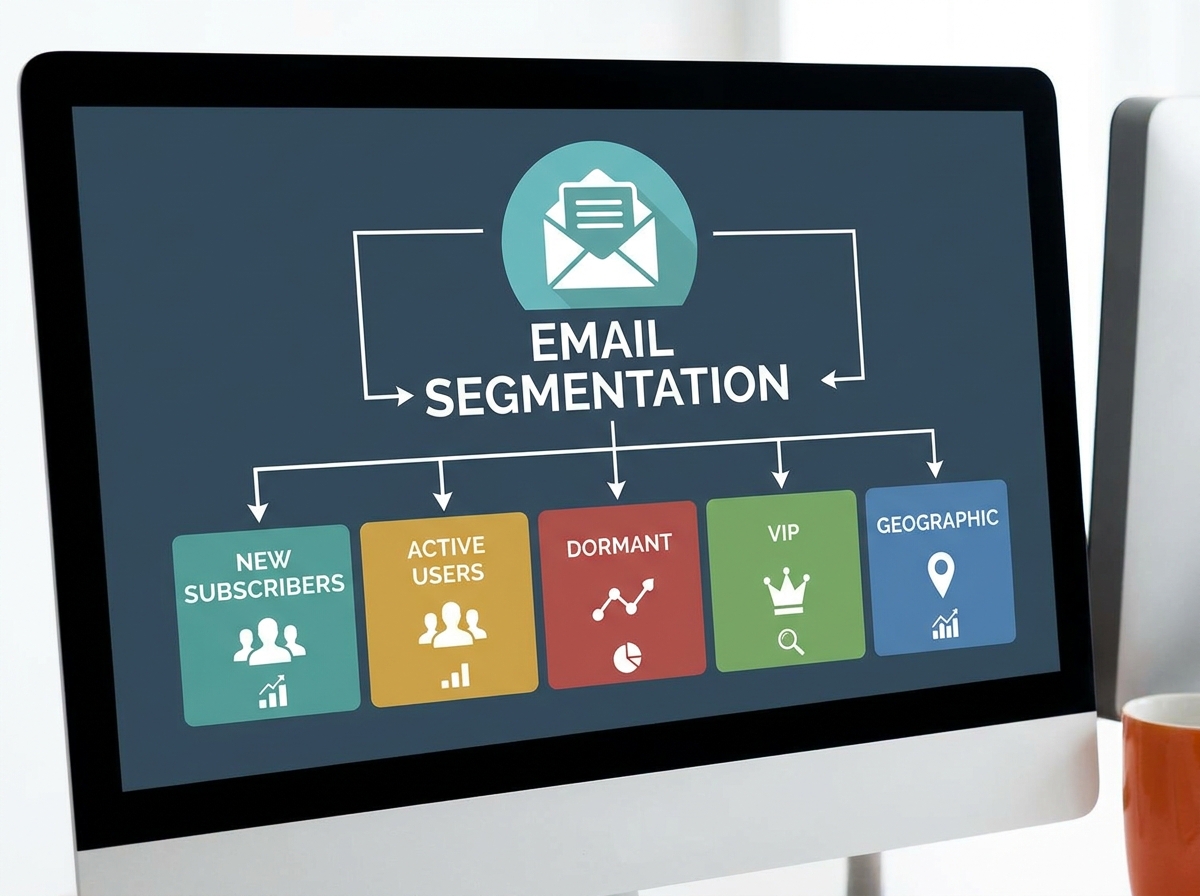
Types of Segmentation We Use

Demographic Segmentation

We segment your audience by demographic data, including age, location, gender, job title, and income level. A 25-year-old in Mumbai gets different content than a 50-year-old in Delhi. B2B audiences are segmented by industry, company size, and role. This simple segmentation ensures messaging is tailored to the fundamental attributes of the subscriber.

Behavioral Segmentation

We analyse the behaviour of real subscribers. The purchase history shows what they bought and when they bought it. Email engagement shows which emails they open and which links they click, including website activity tracks pages viewed, products browsed, and time spent on site. This is behaviour-based segmentation, targeting people on what they do, not what we assume they do.

Psychological Segmentation

We look beyond demographics to understand people’s interests, preferences, values, and lifestyle choices. A person looking for budget travel will receive different content than someone browsing luxury destinations. The fitness buffs will see a different product than the casual shopper. This segmentation allows you to create messaging that hits on a deeper level.

Lifecycle Stage Segmentation

We segment based on where subscribers are in their journey with your brand. New subscribers get welcome sequences. Loyalty rewards and product recommendations are available for active customers. Dormant users get re-engagement campaigns. First-time buyers are nurtured differently from repeat customers. The messaging and offers differ at each stage.

RFM Segmentation

We segment based on the RFM model — Recency, Frequency, and Monetary value. When did they last buy? How often do they purchase? How much do they spend? High-value frequent buyers get exclusive treatment. Occasional low-value customers get targeted offers to increase engagement. Segmenting the list in this way helps us understand who your most valuable customers are and how to keep them.

Personalisation Tactics We Use

How We Measure Success

Engagement Metrics by Segment

We track open rates, click-through rates, and email interaction for each segment. This shows us which segments are most engaged and which need better targeting or content. A segment with 40% open rates is doing well. A segment with 10% open rates signals a relevance/targeting issue. These metrics tell us where to focus our efforts and where to pivot our strategy.

Conversion Rates by Segment

Engagement matters, but conversions are where the money is. We measure how many subscribers in a segment are completing desired actions, such as purchases, form submits, downloads, and registrations. Some segments may have lower engagement, but more conversions. Others open all emails, but occasionally. Conversion by segment helps us understand which audiences yield the best return.

$

Revenue Attribution by Segment

We track the revenue that each segment makes over time. Those high-value customer segments may be smaller, but they are the ones that generate the majority of your email revenue. Bargain-hunter segments are large, but less valuable per person. This attribution reveals which segments are most important to your business and should be given the most attention and resources.

Segment Growth and Decline Over Time

We observe the evolution of segment sizes. Are you growing or shrinking your customer base? Are subscribers becoming inactive? Are your high-value segments growing? These trends tell us if your email strategy is taking people in the right direction. Growing engaged segments and shrinking dormant segments are signs of healthy list dynamics. The reverse signals problems that need to be addressed.

Segmentation Best Practices

At ASP OL Media, we adopt the best practices of segmentation. They are the following:

Start Simple, Add Complexity Over Time

Begin with simple segments such as new subscribers versus returning customers or active versus inactive users. Test these segments and measure results before adding more complexity. Once you have proven that simpler segmentation works and have systems in place to manage it, layer in additional behavioural or demographic criteria. Incremental building allows us to keep the quality as segmentation becomes more sophisticated.

Do Not Over-Segment

You don’t want to have so many segments that your audience is split into groups that are too small to be meaningful. Having 30 segments requires a lot of time and resources, but the benefits are not as high as those of having 10 well-designed segments. Focus on places where there are clear differences in behaviour or needs. If two segments have nearly identical messages, merge them. Quality beats quantity in segmentation strategy.

Keep Segments Relevant and Up-to-Date

Subscriber behaviour is always changing. Someone moves from a new subscriber to an active customer. A regular buyer goes dormant. An engaged user stops opening emails. Segments should reflect the existing reality, not old snapshots. We refresh segments regularly, leveraging the latest behavioural and demographic data so targeting is accurate, and messaging is relevant to where subscribers are at the moment.

Test Segment Performance

Not all segments are the same. Try different messaging tactics for each segment to see what works. Compare results across segments to identify your highest-value audiences. Test A/B within segments to optimise your content and offers. Use performance data to optimise your segment definitions and improve targeting. Testing shows what works and what needs tweaking before you scale.

Clean Segments Regularly

Segments accumulate outdated or inaccurate data, such as invalid emails, changed demographics, and stale purchase history. Clean your segments by removing bounced addresses, updating location data, and archiving inactive subscribers. Regular cleaning ensures that segments contain accurate information and that your campaigns are sent to real people who meet your targeting criteria.

Accelerate Your Success with ASP OL Media

Ready to put to work segmentation and personalisation that deliver results? This is how we work together.

We start with an audit of your current email list and available data. Then, we identify the segments most relevant to your business and design a plan tailored to your objectives. We need to access your email system, subscribers, purchases, and web analytics. The more data we have, the better we can segment and personalise.

Implementation takes 2 to 4 weeks, depending on complexity. You should expect to see increased engagement in the first month, with a measurable impact on revenue in 60 to 90 days.

Let us help you start sending emails that really connect with your audience. Contact us today!

Start Today

Ready to Supercharge
Your Email Marketing?

Join 5,000+ Indian businesses using ASP OL Media to reach more customers, drive more sales, and grow faster.

14-day free trial . No credit card . Cancel anytime